
Product · Requirements management
Stakeholder and system requirements, in one traceability model
Qrendo req:ai clearly separates stakeholder requirements and system requirements with explicit links, organizational structures, and processing views built for large bases.
Audience: Requirements engineers, stakeholder owners, system architects.
Overview
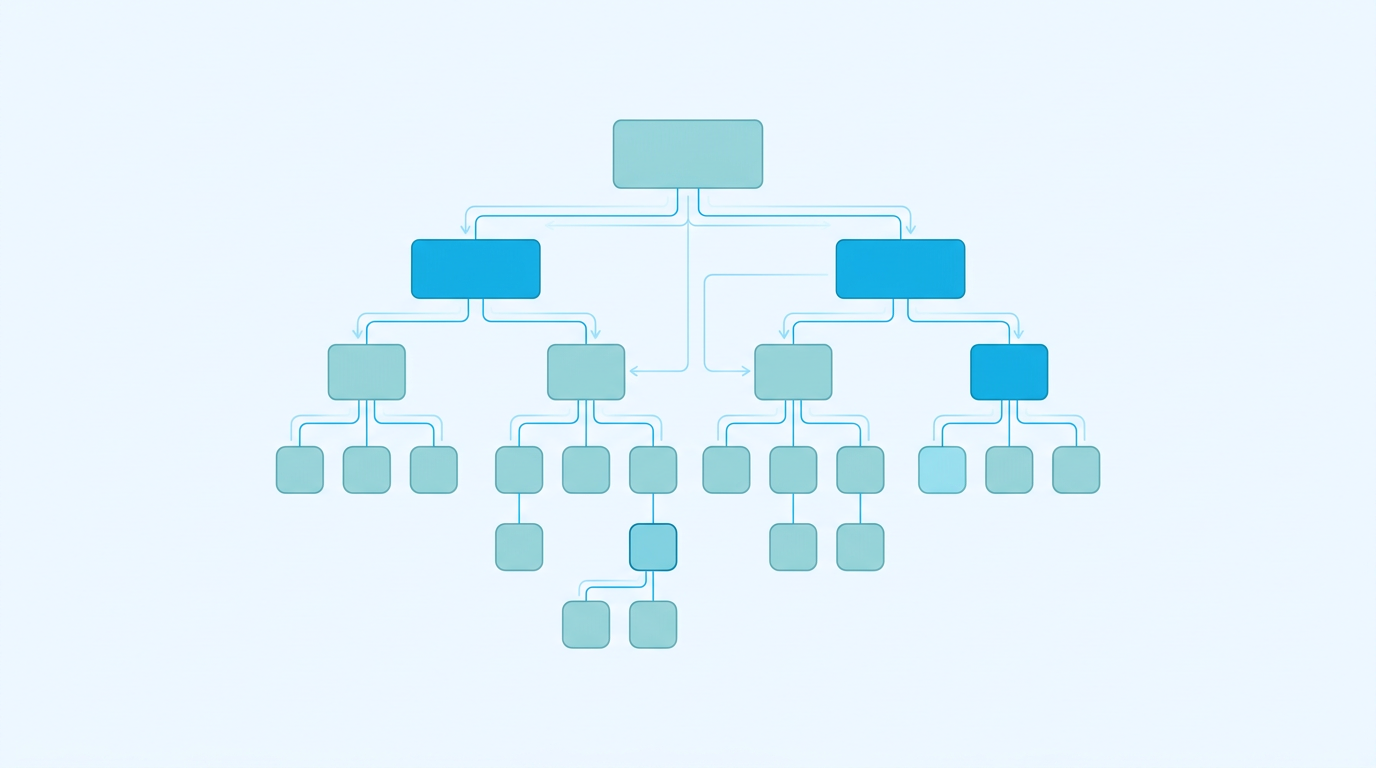
Stakeholder requirements represent needs from stakeholders and can be grouped into requirement areas (hierarchy).
System requirements represent solution descriptions linked to functions (hierarchy).
Stakeholder↔system links can be suggested or fixed depending on workflow.
Sources and source details link stakeholder requirements to concrete text in documents.
Tags, custom attributes, and classification level enrich search, reports, and gate reviews.
Key capabilities
List views with cache and filters
New list views are built for large projects with server-backed cache/delta, filters, saved views, and batch operations. Work structured with thousands of items without losing oversight.
Boards per area or function
Kanban-style boards per requirement area (stakeholder) or function (system) support team workflow: drag items between statuses, open quick dialogs, and handle suggestions in the same space as the list.
Per-source-document processing
For import-heavy programmes there are views that focus on one source document at a time, practical when the same vendor updates material continuously.
Duplicates and conflicts
Separate workspaces for duplicate and conflicting stakeholder/system requirements with action logs and the ability to merge, edit, or reject suggestions, often with AI-supported wording.
Custom attributes
Projects can define extra fields (text, number, date, lists etc.) on stakeholder and system requirements with batch apply and validation, mirror DOORS fields, security attributes, or internal metadata without breaking the core model.