

Product · Review & Approval
From refinement to formal decision — with full control and traceability
Requirements are not complete when they are written — they are complete when they are reviewed, agreed, and formally decided. Qrendo req:ai provides a built-in review and approval system that supports the full lifecycle from early refinement to formal decision points. Reviews are structured, traceable, and tied directly to requirements — ensuring that every decision is visible, controlled, and documented.
Audience: Requirement leads, project managers, system engineers, quality owners, and stakeholders responsible for reviewing, approving, and governing requirements.
Core concept
What was reviewed.
Who reviewed it.
What was decided.
Review and approval flow
Lifecycle overview
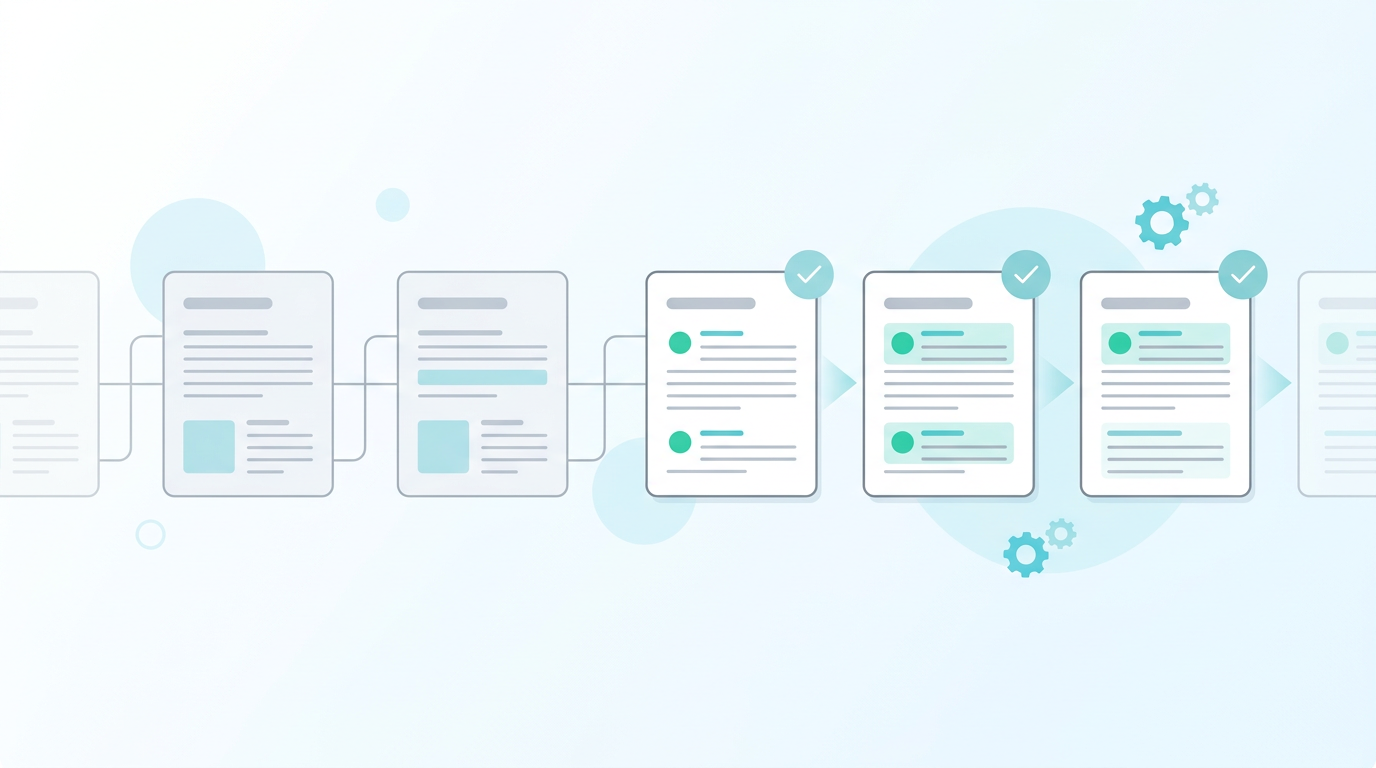
Suggestion → Processing → Review → Confirmed / Rejected Processing: drafting, refining, AI-supported improvement. Review: comments, decisions, stakeholder input. Confirmed: approved and ready for downstream work.
Formal review packages
Structured approval with clear outcomes. • Each requirement is reviewed individually by its reviewer • Status is visible per requirement • Decisions are explicit: approved, rejected, or rework • The package is finalized only when all requirements are decided
Assign the right reviewers
Requirements can be assigned to specific users or groups so the right stakeholders review the right requirements within their domain.
Track progress and remaining work
Stakeholders can see what they need to review, what is completed, and what remains. Project leads can track overall progress and identify bottlenecks.
Clear decision per requirement
Each requirement receives a clear outcome: approved, rejected, or sent for rework.
Controlled finalization
A review package can only be finalized when every requirement has been decided — ensuring completeness before moving forward.
Stakeholder view
Work clearly assigned — progress easy to follow. • See assigned requirements • Perform preliminary approvals • Track remaining work
Governance and traceability
Every review becomes a decision record. • Decisions are logged • Comments and rationale are preserved • History remains available This supports auditability, compliance, and internal governance.
How review and approval works
1. Create review package Select requirements and define scope. 2. Assign reviewers Users or groups are assigned based on responsibility. 3. Review requirements Each requirement is reviewed with full context, comments, and status. 4. Decide and rework Requirements are approved, rejected, or sent back for refinement. 5. Finalize package When all items are decided, the package is finalized and stored as a decision point.
Clear ownership and accountability
Every requirement is reviewed by the right stakeholder, with visible responsibility.
Faster and more structured reviews
Teams move from unstructured feedback to controlled review flows.
No incomplete approvals
Nothing moves forward until all requirements are decided.
Full traceability of decisions
All review outcomes, comments, and changes are preserved as part of the requirement lifecycle.